Stroke: Types, Symptoms, Prevention, and Rehabilitation
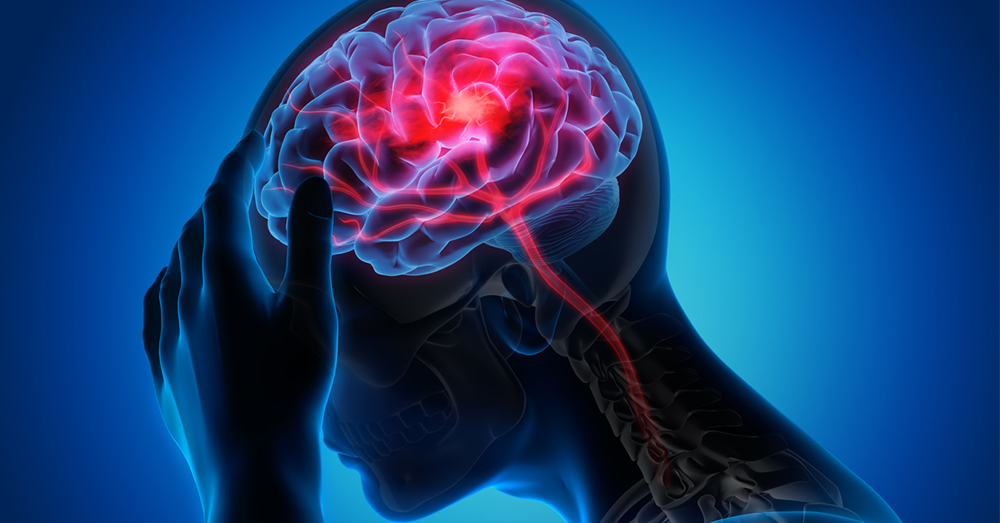
A stroke, also known as a cerebrovascular accident (CVA), is a serious medical condition that happens when blood flow to a part of the brain is interrupted. This can occur either due to a blockage in a blood vessel or the rupture of a blood vessel. When a stroke happens, brain cells begin to die because they are deprived of oxygen and nutrients. This is why a stroke is considered a medical emergency. The sooner treatment is received, the higher the chance of recovery. Delay in treatment can lead to permanent brain damage.
Types of Stroke
There are three main types of stroke, each with its own causes and effects:
1. Ischemic Stroke
An ischemic stroke occurs when a blood clot blocks a blood vessel in the brain. This blockage prevents oxygen-rich blood from reaching the affected area, which can cause brain cells to die. Ischemic strokes are the most common type of stroke and account for nearly 80% of all cases.
2. Hemorrhagic Stroke
A hemorrhagic stroke happens when a blood vessel in the brain ruptures or leaks blood. This leakage prevents oxygen and nutrients from reaching brain tissue, causing damage. Hemorrhages can occur in any blood vessel of the brain and are often linked to high blood pressure, aneurysms, or head injuries.
3. Transient Ischemic Attack (TIA)
A transient ischemic attack, often called a “mini-stroke,” is a temporary blockage of blood flow to the brain. Symptoms usually last for a short time and resolve on their own. However, a TIA is still dangerous because it can cause permanent brain cell damage and is often a warning sign of a future major stroke. MRI and CT scans can confirm the damage even after the symptoms have disappeared.
Symptoms of Stroke
Recognizing the signs of a stroke early is crucial for immediate treatment. Early intervention can significantly improve recovery and reduce the risk of long-term complications. Common symptoms include:
-
Sudden severe headache, sometimes with nausea, vomiting, or dizziness
-
Difficulty speaking or understanding speech
-
Loss of balance or coordination
-
Trouble walking and feeling dizzy
-
Numbness or paralysis in the face, arm, or leg, usually on one side of the body
-
Blurred or darkened vision
-
Fainting or loss of consciousness
If you or someone nearby experiences these symptoms, call emergency medical services immediately. Every minute counts during a stroke.
Causes and Risk Factors
Several factors can increase the likelihood of having a stroke. Some of the most common risk factors include:
-
High blood pressure (hypertension)
-
Diabetes
-
Atrial fibrillation or other heart problems
-
High cholesterol levels
-
Smoking
-
Excessive alcohol consumption
-
Obesity or being overweight
-
Sedentary lifestyle
Understanding these risk factors helps in taking preventive steps to reduce the chances of a stroke.
Prevention of Stroke
Preventing a stroke is closely related to maintaining a healthy lifestyle, similar to preventing heart disease. Here are some effective ways to lower your risk:
-
Maintain a healthy blood pressure
-
Control diabetes through diet, medication, and regular check-ups
-
Keep a healthy weight
-
Engage in regular physical activity or exercise
-
Limit intake of saturated fats and cholesterol
-
Avoid smoking and drink alcohol only in moderation
-
Use anticoagulants or blood-thinning medications if prescribed
Taking these preventive measures seriously can significantly reduce the likelihood of a stroke and improve overall brain health.
Stroke Management and Rehabilitation
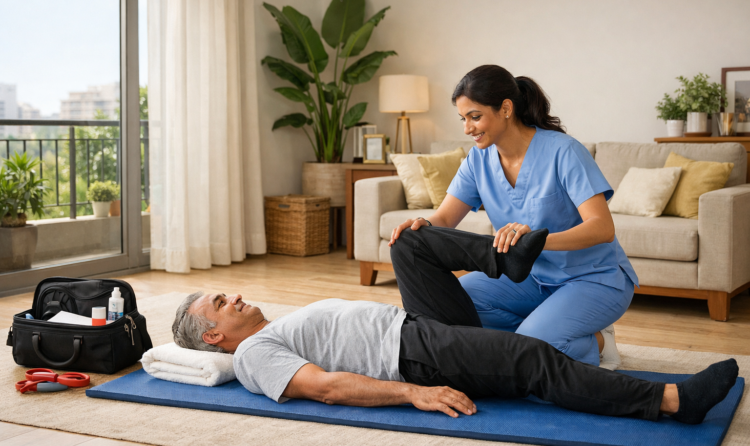
Recovery after a stroke does not end after leaving the hospital. Rehabilitation is a critical part of regaining lost functions and improving quality of life. Physiotherapy plays a vital role in stroke rehabilitation. A physiotherapist designs a personalized treatment plan based on the patient’s age, medical condition, level of disability, past medical history, and functional limitations.
Physiotherapy Techniques for Stroke Rehabilitation
-
Positioning: Proper body positioning helps prevent complications like bedsores and improves circulation.
-
Early Mobilization: Gentle movements and exercises are introduced as early as possible to reduce weakness.
-
Balance and Coordination Training: Exercises focus on improving stability and preventing falls.
-
Gait and Mobility Training: Helps patients regain the ability to walk safely and confidently.
-
Rhythmic Cueing: Using rhythm or music to assist movement and improve coordination.
-
Orthotics: Supportive devices help in improving movement and posture.
-
Constraint-Induced Movement Therapy (CIMT): Encourages the use of affected limbs by limiting the use of stronger limbs.
-
Muscle Stimulation: Electrical stimulation helps in activating muscles that have weakened.
-
Cardiorespiratory Training: Improves heart and lung function to support overall recovery.
-
Spasticity Management: Techniques to relax stiff muscles and improve mobility.
-
Stretching and Contracture Management: Helps prevent muscle shortening and joint stiffness.
-
Proprioceptive Neuromuscular Facilitation (PNF): Uses specific movement patterns to improve motor control and strength.
Each stroke patient’s rehabilitation plan is unique and continuously adjusted according to progress. The goal is to restore independence, improve daily functioning, and enhance overall quality of life.
The Importance of Early Treatment
The key to a better outcome after a stroke is early diagnosis and treatment. Rapid medical intervention can save brain cells and reduce the risk of long-term disability. Awareness of symptoms and knowing how to respond quickly can make a significant difference. Stroke is not just a medical emergency; it is a race against time.
Conclusion
A stroke can affect anyone at any age, and it can have serious consequences if not treated promptly. Understanding the types, symptoms, risk factors, and preventive measures is crucial for protecting your brain health. Once a stroke occurs, early medical attention combined with a structured physiotherapy program can greatly enhance recovery. Maintaining a healthy lifestyle, controlling chronic conditions like diabetes and hypertension, and following medical advice can help prevent stroke and improve overall well-being.
Remember, when it comes to a stroke, every minute matters. Quick action, prevention, and rehabilitation are the keys to saving lives and promoting a healthier brain.