
What Is a Physiotherapist?
When you have back or neck pain, knee pain, and hip pain not to mention sinus and allergy issues the first thing that goes through most people’s mind is medicine. But every now and then, pain doesn’t require a pill. What your body actually requires is gentle movement and appropriate care. That is where a physiotherapist comes into action.
A lot of people have heard the word physiotherapist before but don’t actually know what they do. Let’s break it down in a more simplified way.
Who Is a Physiotherapist?
A physiotherapist is a medical professional in the health industry who works with patients of all ages forwardly on patient care and improving patient outcomes. There are no drugs or surgery. Instead they rely on movement, exercise, and hands-on treatments to assist your body in healing itself.
If you have joint, muscle or back pain, or if you’ve had an injury or a surgery, then your physiotherapist can help you return to your daily activities. Their goal is to get your body working thinking its best again, mirroring the efforts to make a rusty machine run freely by oiling and lubricating it.
What Does a Physiotherapist Do?
Your physio’s job is to know how your body moves. They begin by looking at from where the pain or stiffness is emanating. Then they cook up a simple plan that is tailored to your body and your issue.
For instance, if you have knee pain, they might demonstrate gentle exercises to help strengthen the muscles around your knee. They’ll tell you, for example, how to sit or stand so your back pain doesn’t return.
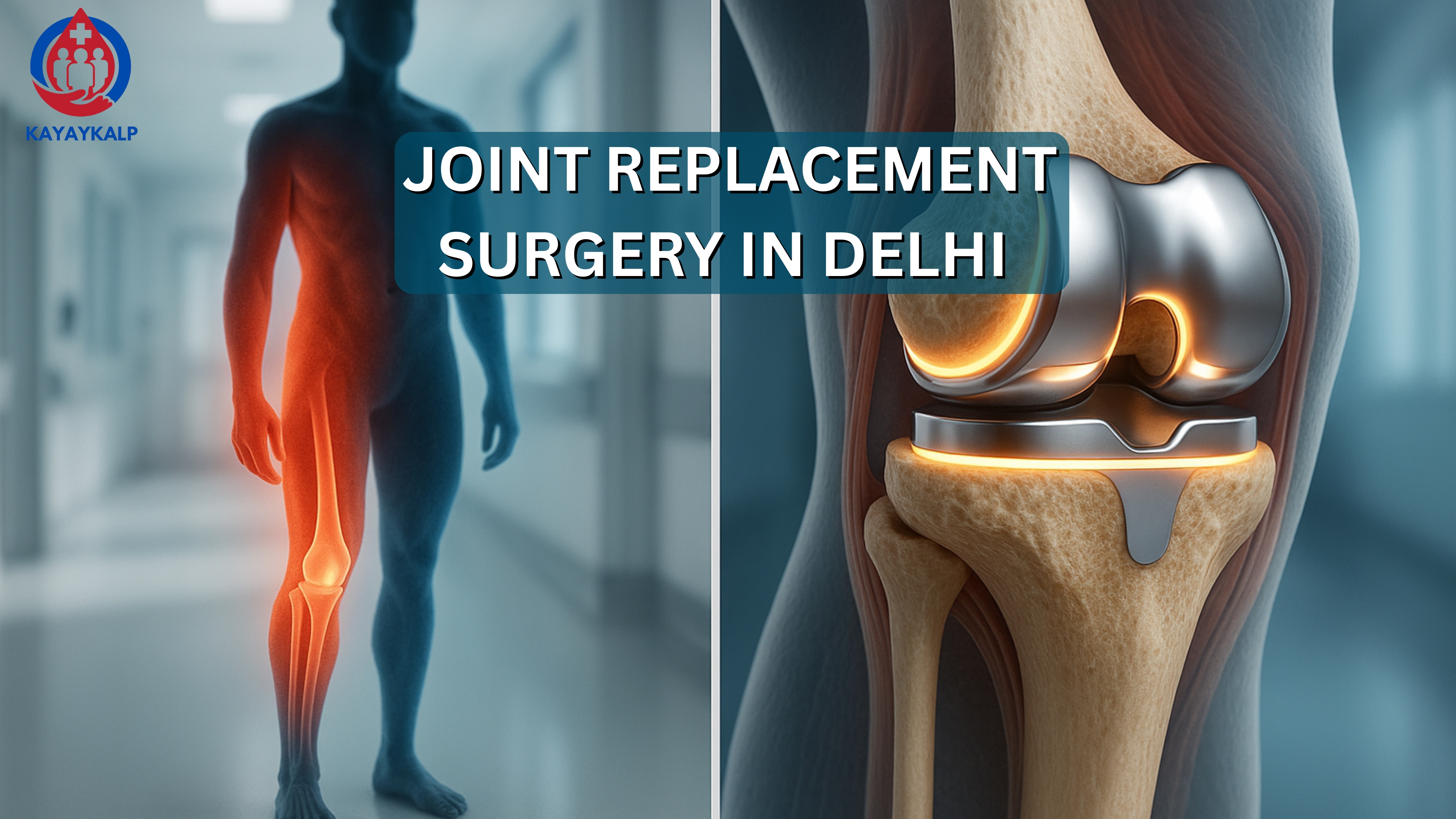
A physiotherapist also supports people who have had accidents or through operations. “It’s as if you had a knee replacement surgery,” say, “at first it’s hard to walk. A physical therapist helps them with safe movements that gradually rebuild strength and movement.
When do I need to see a Physio?
Too many people suffer in silence for too long before reaching out. You don’t have to be screaming in pain to see a physiotherapist. If you start to become aware of little kinks fatigue, numbness or weakness it’s time to go.
If you have, you should consult with a physiotherapist.
- chronic pain in the back or neck,
- joint stiffness,
- accompanying pain during walking or on ascending stairs,
- rehab after a fracture or surgery,
- stroke or paralysis,
- sports injuries, or
- posture-related pain from sitting at a desk all day.
Does pain or stiffness persist for more than a week? Your body is trying to tell you something. Physiotherapy will help you fix it now, before it gets to be too significant.
Different Types of Physiotherapists
Physiotherapists, like doctors, also have special areas of expertise.
Some focus on bones, joints and muscles — they are known as orthopedic physiotherapists.
Some assist people affected by strokes or nerve problems — they’re neurological physiotherapists.
There are sports physiotherapists, who care for athletes, women’s health physiotherapists who help mothers after giving birth and geriatric physiotherapists who help older people having trouble getting about.
Regardless of their specialization, the overall objective is to assist the body in its natural healing processes and enhance quality of life.
How Does Physiotherapy Treatment Work?
The pillars of physiotherapy are all about helping your body move better. The therapist will employ a blend depending on what is troubling you. They may employ stretching, massage or heat therapy to relax your muscles. They also instruct in exercises that strengthen and gift flexibility to your body.
Occasionally they use devices that offer some relief, like ultrasound or small electric pulses. These techniques increase blood flow, which helps damaged tissues heal. In some rare cases, methods such as acupuncture or dry needling are added to unlock deep muscle tightness.
The icing on the cake is that these treatments are completely safe, natural and without any side effects unlike medicines.
How Physiotherapist can Help in Everyday Life
Physiotherapy is not just meant for individuals who have been injured. Even if you are healthy, it can help. A lot of Delhi’s office-goers end up sitting for long hours and receiving back or neck pain. A physical therapist can also teach you proper placement of your chair, screen and posture to avoid pain.
Many older people have difficulty with balance and fear of falling. They walk confidently and are active with the help of regular physiotherapy.
Home physiotherapy is an ideal choice for those who are recuperating from surgeries. It’s a time-saver and you’ll recover so much more comfortably! And who needs to visit a clinic, anyway, when the expertise will come right into your home?
Home Physiotherapy in Delhi
In cities like Delhi NCR, you all are so busy and travelling can be so exhausting for patients at the age of 50+ as well. There is a growing trend for home physiotherapy, because it means people can access a professional without needing to leave the home.
Home physiotherapy in Delhi at KayayKalp is preferred by many patients for stroke recovery, arthritis pain and post-operation rehab. The therapist comes to your home with everything needed, and you receive one-on-one attention. It’s convenient, inexpensive and as helpful as clinic-based care.
Why Physiotherapy Matters
There are numerous benefits by which physiotherapy serves your body. It relieves pain, increases range of motion, strengthens weakened muscles and prevents additional injury. It also makes you bounce back more quickly after an operation and can help keep you independent as you age.
And, most important, it helps you learn to take care of your own body. Under the right guidance you learn how to sit, walk, lift and stretch properly — small habits that will save you a lot of pain down the trail.
Conclusion: The Saving Courtesy of Healing
A physiotherapist is much more than someone who can assist with pain. They’re companions on your own healing path. They know how your body functions, how it repairs itself and how to make it stronger.
So if you are suffering from pain, stiffness or movement problems, don’t wait for it to get worse. Contact with a qualified physiotherapist in your area. If you are in Delhi NCR, having home physiotherapy can easily bring the best treatment directly to your doorstep.
And sometimes healing doesn’t begin with medicine, but from movement. And a physical therapist helps you make that first step toward a life without pain — and living more actively.