

Simple Physiotherapy Exercises to Relieve Neck Stiffness
A stiff neck is something that practically everyone experiences at sometime in their lives. You wake up in the morning and experience pain when you turn your head. Alternatively, after spending hours on your phone or laptop, your neck feels tight and heavy. This problem appears little, but it may disturb your entire day. Eating, driving, working, and even sleeping can become painful.
The good news is that many cases of neck stiffness can be treated with basic physical therapy exercises. You don’t need heavy machines or intense exercise. Gentle movements, done correctly, can gradually restore ease to your neck.In this post, I’ll discuss simple physiotherapy exercises for neck stiffness in a way that makes you feel like I’m coaching you step by step.
Why Does the Neck Become Stiff or Neck Stiffness
Before starting any exercises, it’s important to understand what causes Neck Stiffness. Your neck supports the weight of your head throughout the day, which puts constant pressure on the muscles. When you sit with poor posture, spend long hours looking at your phone or computer, sleep in an incorrect position, or experience stress, the muscles in your neck begin to tighten. This leads to reduced blood flow, muscle fatigue, and eventually pain.
Neck Stiffness can appear suddenly, such as after waking up with a wrong sleeping position. In other cases, it develops slowly over days or even weeks due to ongoing strain and poor habits. Regardless of how it starts, the result is the same—restricted movement and discomfort.
In most cases, gentle movement is more effective than complete rest when dealing with Neck Stiffness. Light stretches and controlled motion help improve blood circulation, relax tight muscles, and reduce pain. Staying completely still for too long can actually make stiffness worse. Understanding the cause of Neck Stiffness is the first step toward relieving it and preventing it from coming back.
Important Things to Remember Before Starting Exercises
Before we begin, keep these simple rules in mind.
Move slowly and gently. Never force your neck.
If any movement causes sharp pain, stop immediately.
Breathe normally. Do not hold your breath.
Do these exercises in a calm place where you feel relaxed.
If your pain is severe, long-lasting, or spreading to your arms, it is best to consult a physiotherapist.
Exercise 1: Neck Rotation
This is one of the easiest and most helpful movements.
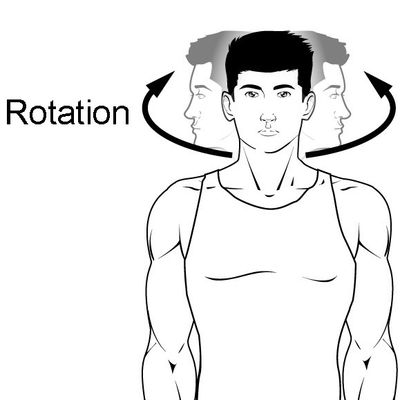
Sit straight on a chair or stand comfortably.
Slowly turn your head to the right, as if you are looking over your shoulder.
Hold for three seconds.
Bring your head back to the center.
Now turn your head to the left and hold.
Repeat this five to ten times on each side.
This exercise helps loosen tight muscles and improves neck movement.
Exercise 2: Side Neck Stretch
This stretch works on the sides of your neck.

Sit straight and relax your shoulders.
Slowly tilt your head to the right, bringing your ear closer to your shoulder.
Do not lift your shoulder.
Hold for five seconds.
Return to the center.
Now tilt your head to the left.
Repeat five times on each side.
You may feel a gentle stretch. That is normal. Pain is not.
Exercise 3: Neck Forward and Backward Movement
This movement helps with stiffness caused by long screen time.
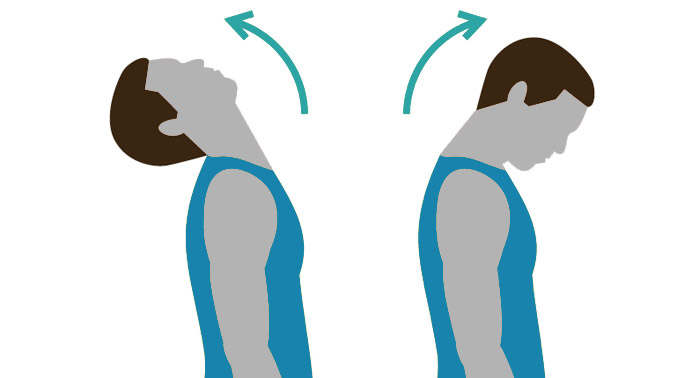
Sit or stand straight.
Slowly bend your head forward, trying to touch your chin to your chest.
Hold for three seconds.
Return to the starting position.
Now gently move your head backward and look up.
Repeat this movement five to eight times.
This helps reduce tightness in the front and back of the neck.
Exercise 4: Shoulder Rolls
Many times, neck stiffness is linked with tight shoulders.
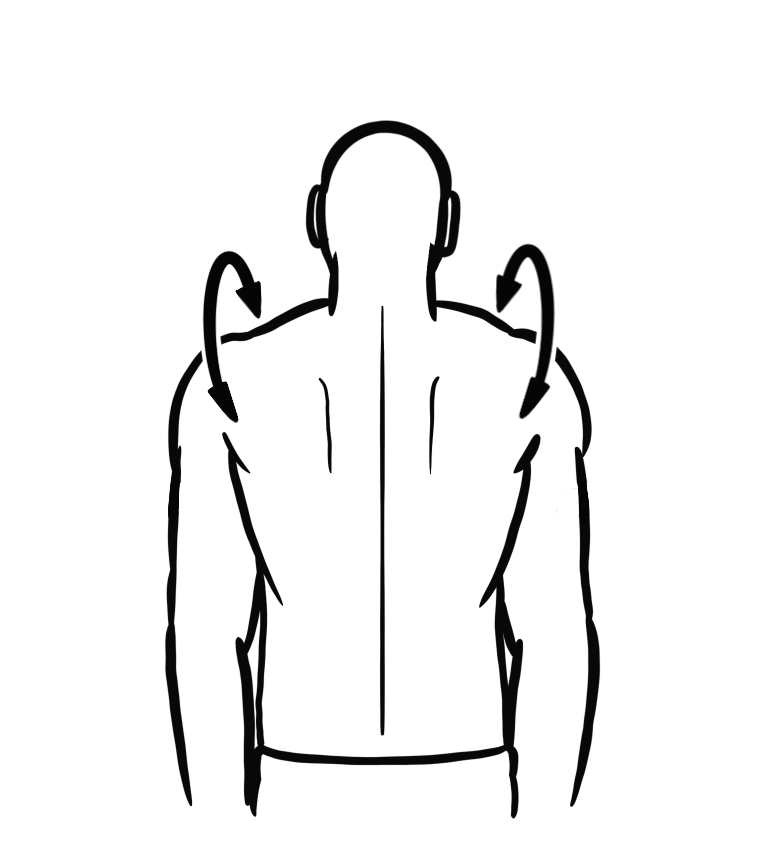
Sit or stand comfortably.
Lift your shoulders up toward your ears.
Roll them backward in a circular motion.
Do this ten times.
Now roll your shoulders forward ten times.
This movement relaxes the upper body and reduces pressure on the neck.
Exercise 5: Chin Tuck Exercise
This exercise helps improve posture and reduces neck strain.
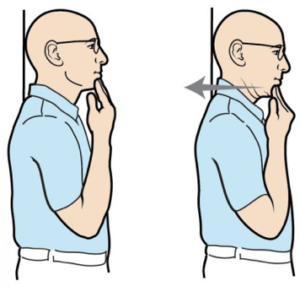
Sit straight with your back supported.
Look straight ahead.
Slowly pull your chin backward, as if making a double chin.
Hold for five seconds.
Relax.
Repeat this exercise ten times.
This may feel strange at first, but it is very helpful, especially for people who use phones or computers a lot.
Exercise 6: Upper Trapezius Stretch
This stretch targets a common muscle that causes neck pain.

Sit on a chair.
Place your right hand on the top of your head.
Gently pull your head toward the right shoulder.
Hold for ten seconds.
Release slowly.
Repeat on the left side.
Do this stretch three times on each side.
This helps release deep muscle tightness.
Exercise 7: Neck Isometric Exercise
This exercise builds gentle strength without movement.
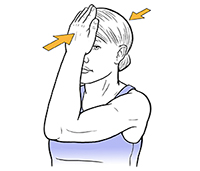
Sit straight.
Place your right hand on the side of your head.
Try to move your head to the right while resisting with your hand.
Hold for five seconds.
Relax.
Repeat on the left side, front, and back of the head.
Do each direction three times.
This improves neck stability and support.
How Often Should You Do These Exercises?
You can do these exercises once or twice daily.
Morning is good to reduce stiffness.
Evening is good to relax muscles after a long day.
Consistency is more important than speed. Small everyday efforts produce better benefits than doing too much at once.
Simple Daily Habits That Help Neck Recovery
Exercises work better when combined with good habits.
Sit with your screen at eye level.
Take short breaks from phones and laptops.
Use a supportive pillow while sleeping.
Avoid sudden neck movements.
Drink enough water to keep muscles healthy.
These small changes protect your neck throughout the day.
When Should You See a Physiotherapist?
If neck stiffness lasts more than a week, keeps returning, or starts affecting your arms or sleep, professional help is important. A physiotherapist can check posture, muscle balance, and movement patterns. Treatment may include manual therapy, posture correction, and guided exercises.
At KayayKalp, physiotherapy focuses on understanding the root cause, not just temporary relief.
Final Thoughts
Neck stiffness may appear easy, but ignoring it can make daily life difficult. Gentle physical therapy activities are a safe and effective technique to provide relief. They increase mobility, relax stiff muscles, and promote long-term neck health.
Listen to your body, move carefully, and include these workouts into your everyday routine. Your neck will thank you for improved comfort and range of movement.
If you want expert assistance, professional physiotherapy can help you recover faster and avoid recurring problems.

Leave a Reply